
This post is from a guest blogger!
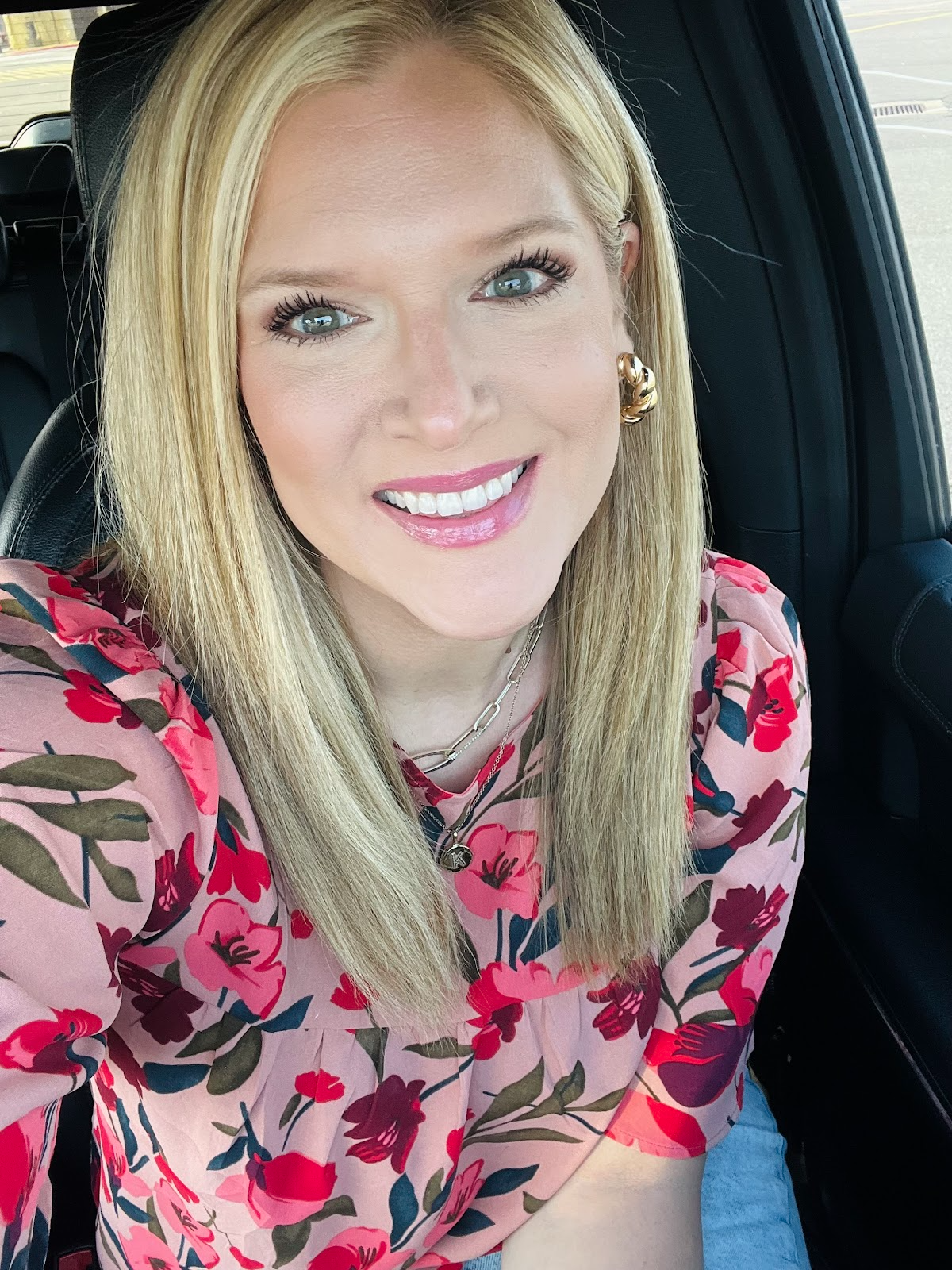
Kristen Weatherall serves as a Local Lead Captain at Arch Ford Education Service Cooperative, where she plays a key role in strengthening early childhood education across Arkansas. With 15 years of classroom experience—most of it in kindergarten—she brings both expertise and empathy to her work. In her role, Kristen supports early childhood programs by coaching educators, fostering partnerships, leading statewide initiatives, and providing professional development. Her work is grounded in a commitment to joy, connection, and a deep understanding of executive function and trauma as essential drivers of effective teaching and meaningful learning.
I will never forget the day the desk flipped during phonics.
One minute I was teaching sounds and keeping twenty little learners engaged. The next minute the room erupted. Desks toppled. Chaos spread. My heart pounded.
At that time I did not understand executive function or trauma. I only knew that I loved this child, and I believed love would be enough. It was not. I thought ignoring small behaviors was the right strategy. I thought I was choosing my battles. What I see now is that this child was longing for connection. My silence was not comfort. It was fuel. And when he could not hold it in anymore, he flipped desks.
That moment broke me, but it also lit a fire. It was the day I realized love matters, but love without understanding is not enough.
The Weight Teachers Carry
These moments carry an invisible weight. Teaching while anticipating the next eruption does not end when the bell rings. It lingers. It follows you home. It seeps into your thoughts at night. It whispers that maybe you are not enough.
That weight looks like exhaustion from being constantly on alert. It looks like guilt for not giving the other students the attention they deserve. It looks like doubt in your calling.
And yet teachers keep showing up.
What I Know Now
I know now that extreme behaviors are not defiance. They are signals of lagging skills. A flipped desk is not a power struggle. It is a child’s brain crying out for help. Executive function gaps make it almost impossible for some children to pause, think, and choose a different response. Trauma makes regulation even harder.
When we see that truth, we stop seeing kids as problems. We start seeing them as humans learning skills their brains do not yet have. That shift does not erase the stress, but it makes the weight bearable.
Lightening the Load
Teachers cannot carry this invisible weight alone. We need permission to name it, support to share it, and strategies to release it. Sometimes that means stepping outside for one deep breath. Sometimes it means leaning on a trusted colleague. Sometimes it means celebrating the smallest win, like a child sitting calmly for one more minute than yesterday.
Why I Teach This Now
The day the desk flipped changed me. It is why I speak and teach about executive function and trauma today. Because teachers deserve more than survival. We deserve understanding, tools, and hope.
The invisible weight is real, but so is your strength. Love may not be enough on its own, but love paired with knowledge and strategy can transform a classroom. And it can transform the teacher who carries it.
 Learning and Leading: A Joyful Leader's Journey